Commercial Roofing in Katy & Houston for Businesses and Multi-Family

Repairs, inspections, maintenance and replacement for flat, low-slope and metal roofs, scheduled around tenants, customers and operating hours.

A real person confirms the scope and any visit.

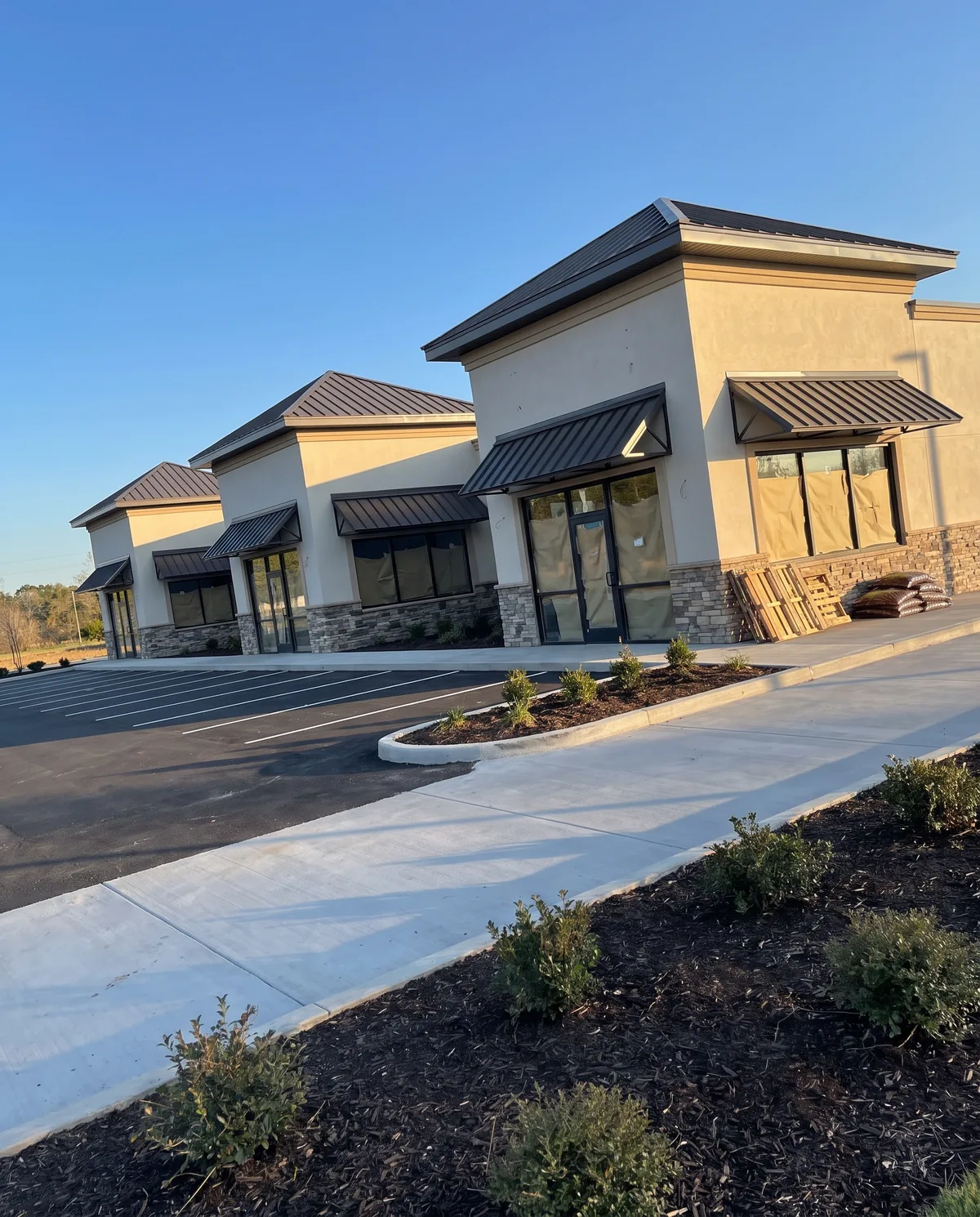
New small retail suites with metal awnings and freshly striped parking
Roofing, remodeling and construction. Down South.

What does your project need?

A business property brings different access and coordination needs from a single-family home. Down South can review your commercial roof request and discuss the work alongside operating hours, tenant access and the person responsible for approvals. For multi-family homes, coordinate affected units, resident notices and access with the owner or property manager.

What to discuss before work begins.

01

Repairs and assessment

Describe the concern, affected area and any previous work. Confirm the existing roof system before deciding on an approach.

02

Planned maintenance

Review upkeep needs, access arrangements and documentation for your property records.

03

Installation and replacement

Discuss the proposed system and scope. Material-specific capabilities should be confirmed for your building rather than assumed.

Commercial roofing in Katy & Houston, TX

Commercial roofing in Katy and Houston is a different job from a house roof. The roof is often flat or low-slope, it covers equipment and tenants, and the work has to fit around a business that needs to stay open. Decisions usually involve an owner, a property manager and sometimes a tenant, each with their own priorities.

Down South Roofing is based in Katy and works on retail centers, offices, warehouses, churches and multi-family properties across Houston, Cypress, Sugar Land, Richmond, Pasadena, Baytown and nearby areas. Every project starts with a clear picture of the existing roof system, the building’s use and who approves the work, then a written scope and estimate.

Flat and low-slope roof repair

Most problems on flat and low-slope roofs start at the details: seams that have opened, flashing at walls and parapets, penetrations around HVAC curbs, pipes and conduit, and drains or scuppers that do not move water fast enough. Ponding water is a common warning sign. Water that sits for days after a Houston downpour adds weight, speeds up wear on the membrane and finds any weak seam.

A leak inside a commercial building often shows up far from where water enters, because it can travel along the deck or insulation before it drips. A good repair traces the path back to the source instead of patching the spot above the stain. Wet insulation under the membrane also matters, since it can keep the deck damp long after the surface looks dry.

TPO, metal and other commercial roof systems

Commercial buildings around Houston use several roof types. Single-ply membranes such as TPO are common on newer low-slope buildings and are valued for their light, reflective surface in the Texas sun. Older buildings may have modified bitumen or built-up roofs. Metal roofs are common on warehouses, shops and metal buildings, where fasteners, seams and rust at panel laps are the usual concerns.

Each system has its own repair methods, and mixing incompatible materials can cause new problems. That is why the first step is confirming exactly what is on the roof now. The right approach for your building, whether a targeted repair, a coating discussion or a new system, should be confirmed for that building rather than assumed.

What a commercial roof inspection covers

A commercial roof inspection looks at the membrane or panels, seams, flashing, edge metal, drains, gutters, rooftop equipment curbs and any areas of ponding. Inside, it helps to see ceiling stains, wet tiles and the areas tenants have reported. Roof records, past repair invoices and plans help the inspector understand what has already been done.

The result should be a plain description of the roof’s condition, photos of the problem areas and a written scope that separates urgent items from work that can be planned for later. That makes it easier to budget and to explain the decision to owners or a board.

Multi-family and apartment roofing

Apartment communities, townhome associations and other multi-family properties often have many buildings with roofs of different ages. Work usually goes building by building, so residents need notice about noise, parking, staging areas and any time access is needed to a unit. Clear communication through the property manager keeps the job moving and keeps residents informed.

A property-wide inspection can rank buildings by condition so repairs and replacements are spread over a sensible timeline instead of handled one leak at a time.

Multi-family roofs also carry more rooftop equipment and penetrations than a typical home, from individual HVAC units to vents and satellite mounts. Each one is a possible leak point, so inspections should check them unit by unit, and new installs by other trades should be coordinated so the roof is sealed properly afterward.

What a commercial roofing estimate should include

A useful estimate names the existing roof system and the areas involved, describes the work step by step, and lists the materials to be used. It should state what is excluded, how wet insulation or damaged decking will be handled if found once the roof is opened, and how changes to the scope are approved and documented.

For commercial and multi-family work, the estimate should also cover the practical side: phasing, working hours, staging, protection of the building and its contents, and cleanup. Clear terms make it easier to compare bids and to get approval from owners, a board or a corporate office.

Scheduling roof work around business hours

Before work begins, agree on working hours, where materials and equipment will be staged, how customer and employee entrances will stay clear, and how safety boundaries will be marked. Some tasks are noisy or produce odors, so it helps to plan them for times when the building is less busy. Restaurants, clinics and offices with sensitive equipment should mention that early.

Houston weather affects scheduling too. Summer heat, afternoon thunderstorms and tropical season can shift plans, so a good schedule includes how the roof will be protected overnight and how changes will be communicated to the property contact.

Roof maintenance plans for property managers

Regular maintenance is usually the simplest way to stretch a commercial roof’s life. A typical plan includes scheduled inspections, often in spring before storm season and again after summer, clearing drains, gutters and debris, checking seams and flashing, and sealing small issues before they become leaks. Inspections after major storms are worth adding.

Each visit should leave you with dated notes and photos for your property records. Over time, that history shows how the roof is aging and helps you plan the budget for eventual replacement instead of being surprised by it.

Ask tenants and maintenance staff to report stains, drips and rooftop visits by other trades. That information points the next inspection to the right places.

Prepare for a useful first conversation.

Share roof records, available plans and any constraints around deliveries, equipment or building use. Identify the property manager and approval process early. Ask how staging, safety boundaries and schedule changes will be communicated to occupants.

Ask about commercial and multi-family roofing ↗

Commercial roofing questions in Katy and Houston

What causes most leaks on a flat commercial roof?

Most leaks start at details rather than the open field of the roof: opened seams, worn flashing at walls and parapets, penetrations around HVAC units and pipes, and clogged drains or scuppers. Ponding water makes all of these worse. Because water can travel under the membrane, the source is often some distance from the stain inside.

Is ponding water on a flat roof a problem?

Water that drains within a day or two after rain is usually not a concern. Water that sits longer adds weight, speeds up wear on the roof surface, collects debris and finds weak seams. Persistent ponding often points to clogged drains, a sagging deck or low spots that need attention. An inspection can identify why water is collecting and what can be done.

Do you work on TPO and metal commercial roofs?

Down South works on commercial roofs across Katy and Houston, including low-slope and metal buildings. Because every system has its own repair methods, the team first confirms exactly what is on your roof and its condition. The right approach for your building, and the materials involved, are then spelled out in a written scope rather than assumed up front.

Should I repair or replace my commercial roof?

Repair usually makes sense when problems are limited to specific seams, flashing or penetrations and the rest of the roof is sound. Replacement becomes more likely when leaks are widespread, insulation is wet across large areas, or the roof keeps needing repairs. The inspection should show the evidence for either path so owners can compare the options with clear information.

What affects the cost of commercial roof repair in Houston?

Cost depends on the roof system, the size and number of problem areas, whether insulation or decking is wet or damaged, how much rooftop equipment is in the way, roof access, building height and any limits on working hours. Phased work for an occupied building also affects planning. A written scope and estimate lays out what is included before work starts.

Can roof work happen while my business stays open?

In many cases, yes. It takes planning: agreed working hours, staging areas away from entrances, marked safety boundaries and a clear contact for changes. Noisy tasks or work that produces odors can be scheduled for quieter times. Share your operating hours and any sensitive areas when you first contact the team so the schedule can be built around them.

How often should a commercial roof be inspected?

A common approach is twice a year, often in spring before storm season and in fall after the summer heat, plus a check after any major hailstorm, windstorm or tropical system. Regular inspections catch small problems at seams, flashing and drains while they are still simple to fix, and they build a record of the roof’s condition over time.

What goes into a roof maintenance plan for property managers?

A typical plan covers scheduled inspections, clearing drains, gutters and debris, checking seams, flashing and rooftop equipment curbs, and sealing small issues early. Each visit should produce dated notes and photos for your records. For portfolios or multi-building properties, the plan can rank roofs by condition so repair and replacement budgets can be planned ahead.

How do you handle roofing on occupied apartment buildings?

Work is coordinated with the owner or property manager, who usually handles resident notices. The plan covers which buildings are done in what order, working hours, parking and staging areas, and any time unit access is needed. Residents should know when to expect noise and where materials will be. Clear notice up front keeps the job orderly for everyone.

Can a property manager arrange the inspection?

Yes. Share your role, the buildings and scope you are responsible for, roof access details and who will approve the final work. If there are roof records, past repair invoices or plans, have them ready. A real person confirms every request, and nothing is scheduled until the team confirms the time and access arrangements with you.

How do I request a commercial roof inspection?

Call or text (832) 530-0402; calls are answered 24/7, and inspections are scheduled between 8am and 5pm. Share the property address, building type, the concern and any access limits. You receive a written scope and estimate before work starts. For Spanish, contact JR Rivas at (832) 528-3994.

A clear next step starts here.

Tell us what you need and where. We’ll talk through the project before confirming the work.

Built for the Brave20% off for military & first responders