

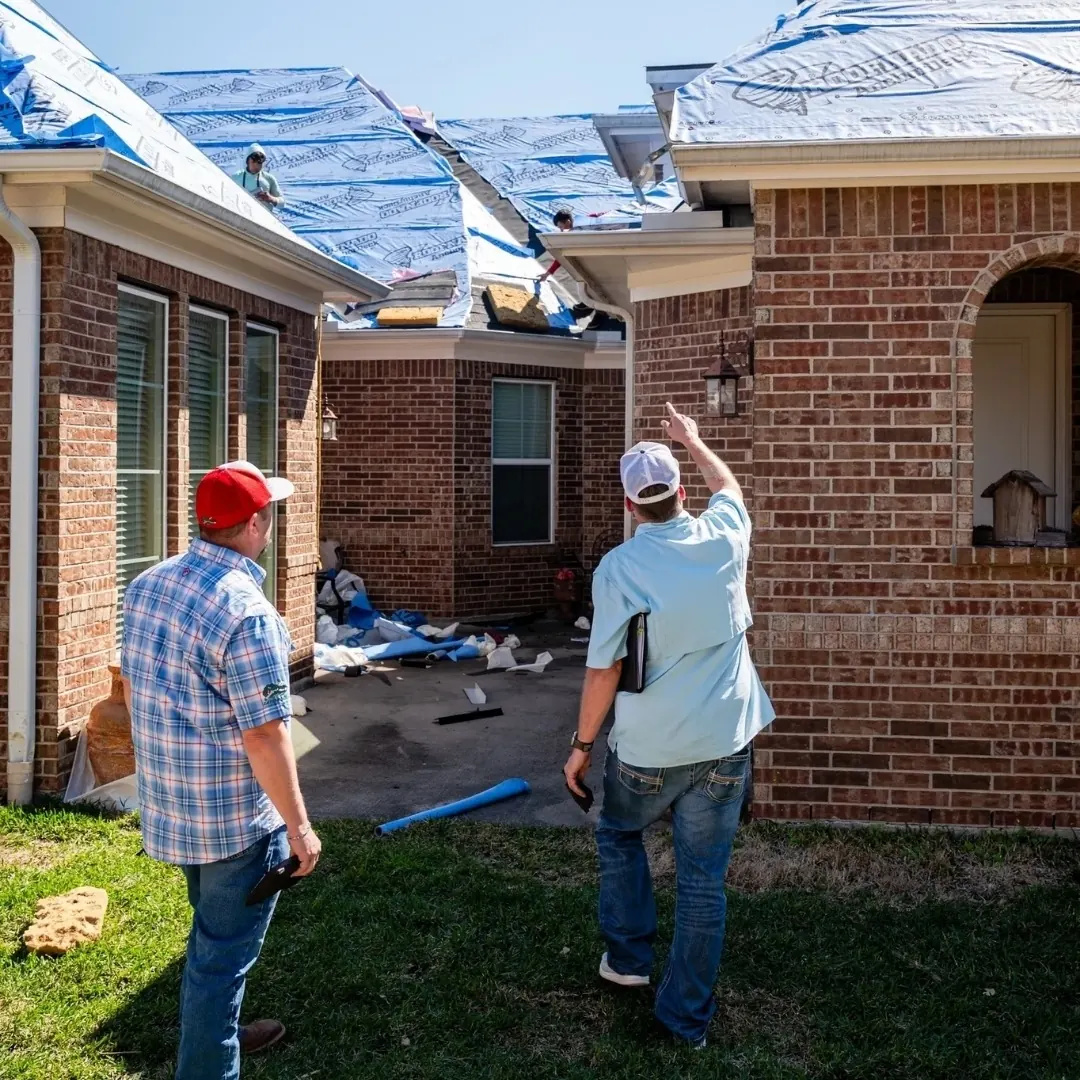
Why a free roof inspection in Katy and Houston is worth booking
Most roof problems are hard to see from the driveway. A free roof inspection in Katy and Houston, TX gives you an informed opinion before a small issue turns into a repair, and before a repair turns into a replacement. It is also the simplest way to answer a nagging question after a storm, a home purchase or a ceiling stain that showed up overnight.
Down South Roofing is based in Katy and inspects homes and commercial roofs across Houston, Cypress, Fulshear, Sugar Land, Richmond, Pasadena, Baytown and Beaumont. The goal is a clear picture of condition, not a sales pitch. Sometimes the right answer is to keep an eye on something and check it again next year.
What does a roof inspection include?
On the roof surface, the inspector looks for missing, creased or lifted shingles, granule loss, cracking and soft spots that suggest weak decking. Then come the details where most leaks start: flashing at walls and chimneys, pipe boots, exhaust and attic vents, valleys, skylights and the drip edge along the eaves.
Gutters and downspouts are part of the check, since overflow can soak fascia and rot the roof edge. Inside the house, ceilings below the roof are checked for stains. If the roof is too steep or wet to walk safely, the team will tell you how they assessed it and what that view could and could not show.
Commercial and multi-family roofs get the same approach, adjusted to the roof system. On low-slope roofs, the inspection looks at seams, drains, standing water and the edges where the roof covering meets walls, parapets and equipment curbs, since those are the usual entry points for water.
Attic and ventilation checks
The attic often tells the story the shingles cannot. Water trails on rafters, dark rings around nails, damp insulation and daylight around a vent all point to specific problems. Where the attic can be reached safely, it is one of the most useful parts of the inspection.
Ventilation gets special attention in the Gulf Coast climate. Blocked soffit vents, too little exhaust or mixed vent types can trap summer heat and humidity in the attic. That bakes shingles from below, can cause condensation on the decking and makes the air conditioner work harder. Fixing airflow is sometimes the most valuable outcome of an inspection.
Roof inspection after hail or a tropical storm
Hail damage is easy to miss from the ground. On shingles it shows up as dark bruises where granules were knocked off, sometimes with a soft spot underneath. Dents in metal vents, gutters and window screens are useful clues about hail size. After strong wind, look for creased shingles and debris on the roof.
After a storm, write down the date, photograph any damage you can see from the ground and contact your insurance company to ask about their process. The team can explain what they find on the roof. Coverage decisions are between you and your insurer, and a calm, documented approach is better than a rushed one.
Roof inspections before buying or selling a home
A general home inspector covers the whole house, and the roof is one item on a long list. When that report flags the roof, buyers often want a roofer’s opinion on what the issue actually means: a small repair, routine upkeep or a roof near the end of its life. That context helps when planning the budget after closing.
Sellers benefit from inspecting before listing, so small items can be handled on their own schedule instead of during negotiations. If you need specific paperwork for a sale or a lender, explain what is required when you book, so the team can confirm what the inspection can provide.
How often should you inspect a roof in Texas?
A good baseline is once a year, plus a check after any major hail or wind event. Late winter or spring works well, because it catches problems before the summer heat and hurricane season, which runs from June through November.
Older roofs, roofs with past repairs and homes with heavy tree cover benefit from closer attention. So do rental and commercial properties where nobody lives under the roof to notice a stain early. If you have just had a new roof installed, a check after the first major storm season is a reasonable habit.
Between professional visits, a quick look from the ground after storms goes a long way. Check for shingles in the yard, granules collecting at the downspouts, gutters pulling away from the fascia and new stains on ceilings. Note what you see and when, and share it when you call to book.
After the inspection: findings and next steps
Before leaving, the inspector walks you through what they found in plain terms. The next step usually falls into one of four paths: nothing needed for now, routine maintenance, a focused repair, or a conversation about replacement. If work is recommended, you receive a written scope and estimate before anything starts.
If you need a formal written inspection report for a sale, an HOA or an insurance request, say so when you book. The team will confirm what documentation the visit includes so there are no misunderstandings later.
How to book your free roof inspection
Call or text (832) 530-0402. Calls are answered 24/7, and inspections are scheduled between 8am and 5pm. For Spanish, call JR Rivas at (832) 528-3994. You can also pick a preferred time online, and a real person confirms the request before anyone comes out.
To make the visit useful, share gate codes, pet details and any access limits, and have past repair paperwork or ground-level photos ready. Military members and first responders can ask about Built for the Brave, which offers 20% off work with verification.