Water Damage Restoration in Katy & Houston

After a leak or a flood, the order of work matters. Dry it out, check what’s hidden, then rebuild walls and floors from a clear written scope.

A real person confirms the scope and any visit.

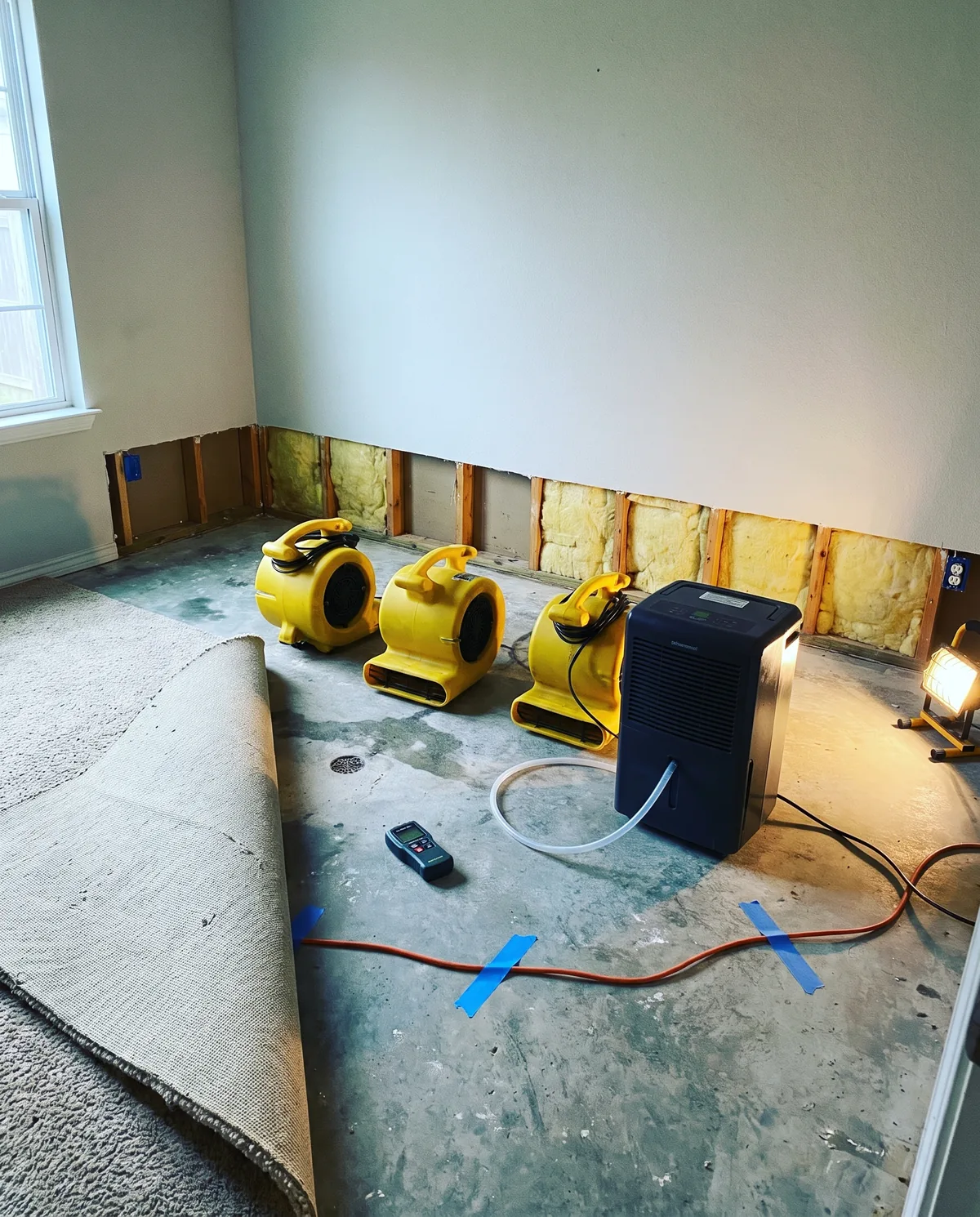
Water damage restoration with opened lower walls and drying equipment
Roofing, remodeling and construction. Down South.

What does your project need?

Water-related damage needs a scope based on the actual property, not only the visible stain or damaged floor. Down South can discuss the repair and restoration request and the information needed to plan the next stage.

What to discuss before work begins.

01

Damage history

Share when the event happened, the areas involved and whether the source has been addressed.

02

Condition and readiness

Ask what assessments are needed before repair materials or new finishes are installed.

03

Repair planning

Separate removal, repair and finish work in the proposal, with clear responsibility for any specialist needs.

Water damage restoration in Katy & Houston, one stage at a time

Water damage restoration in Katy & Houston tends to follow the weather. Tropical storms and slow-moving systems can drop a lot of rain on flat ground in a short time, and streets, yards and garages fill before the water has anywhere to go. Plenty of damage also starts inside the house: a failed water heater, a split supply line under a sink, an ice maker line or a roof leak that ran down inside a wall.

Whatever the source, the repair follows the same order. The source is stopped, the house is dried and checked, damaged materials come out, and only then do walls, floors and finishes go back in. Down South Roofing, based in Katy, handles the rebuild side of that process for homes in Houston, Cypress, Sugar Land, Pasadena, Baytown and nearby communities, and we keep each stage separate in the written scope so you can see what is being done and why.

What to do first after a flood or water leak

Start with safety. If water reached outlets, the electrical panel or appliances, keep the power off in those areas until someone qualified says it is safe. Do not walk through standing water that might be energized, and stay out of rooms where ceilings are sagging. If the source is a plumbing line, shut off the main water valve.

Then take photos and video before anything is moved: every room, the height of the water line on walls, damaged floors, furniture and appliances. Contact your insurance company to start your claim. After that, move what you can to a dry area, open interior doors, run the air conditioning and remove soaked rugs. Keep receipts for anything you buy or pay for during cleanup.

Why drying comes before rebuilding

The surface often dries long before the inside of the wall does. Drywall wicks water upward, insulation holds it, and the bottom plate of the wall, the baseboards and the subfloor can stay wet for days. A concrete slab can hold moisture well after the floor covering is gone. New drywall or flooring installed over wet framing or a damp slab traps that moisture behind fresh paint.

That is why rebuilding should wait for moisture readings, not the calendar. Drying equipment and moisture meters show when framing and the slab are back to normal levels. If a separate drying company was on site, ask for its final readings. We check conditions again before closing up walls and confirm with you that the house is ready.

Drywall and flooring replacement after water damage

After a flood, drywall is usually cut out in a straight line above the water mark, often two to four feet up, so the wet section, the insulation behind it and the bottom of the wall can be removed and checked. Baseboards and the lower part of door casings typically come off too. Ceiling drywall that got wet from a roof or plumbing leak may be dried and patched if it stayed firm, or replaced if it sagged or stained through.

Flooring depends on the material. Carpet pad almost always goes. Laminate and many engineered wood floors swell at the edges and rarely recover. Tile often survives, but loose tiles and the material under them need checking. When choosing new flooring, many homeowners in flood-prone parts of Houston pick tile or a waterproof vinyl plank. Lower cabinets, toe kicks and vanities that sat in water are evaluated piece by piece.

When the walls go back up, the new drywall has to blend with what stayed. That means matching the wall texture, taping the long horizontal seam at the cut line so it disappears, and usually repainting the full wall rather than the lower half. Planning flooring that runs through several rooms at once also avoids a visible transition where the water stopped.

Mold prevention in humid Houston

Houston’s humidity works against a wet house. Mold can begin growing on damp drywall, wood and carpet within a day or two, especially in summer. The best prevention is speed and air movement: remove soaked porous materials, keep the air conditioning running, use dehumidifiers and fans, and keep closets and cabinet doors open so trapped air can dry.

Painting over a stain or a spot of growth does not fix it. If you see or smell mold over a large area, or anyone in the house has health concerns, ask for a specialist’s assessment before rebuilding. We include that step in the plan when it is needed and keep it separate from the repair work in the proposal.

Documenting water damage for your insurance claim

You file and manage your own insurance claim, so good records help. Photograph the water line on every wall before drywall comes out, and take close shots of model and serial plates on damaged appliances. Make a room-by-room list of damaged items. Your adjuster may ask to see removed materials such as a carpet sample, so ask before throwing everything away.

Note that standard homeowners policies and flood insurance are often separate, and coverage depends on your policy. What we can do is explain what we find during the inspection and give you a written scope that describes the damage, the materials involved and the proposed repair, which you can share with your insurer if you choose.

What affects the cost of water damage repair

The biggest factors are the type of water, how long it sat, and how high it rose. A clean supply-line leak caught early may need a patch and some paint. Floodwater from outside carries contamination, so more porous material has to come out. Beyond that, cost depends on the square footage affected, the height of the flood cut, the flooring and cabinets involved, and the finishes you choose for the rebuild.

A clear estimate separates removal, drying checks, repairs and finish work, and it says who is responsible for any specialist tasks. Inspections are free and scheduled between 8am and 5pm, and a real person confirms every visit with you before anything is booked.

Prepare for a useful first conversation.

Tell the team about existing reports, previous drying or cleanup work and any ongoing concerns. Avoid entering unsafe areas to gather information. Ask who will confirm that conditions are appropriate before rebuilding; do not assume new paint or flooring resolves the underlying issue.

Ask about water and flood restoration ↗

Water and flood damage questions in Katy and Houston

What should I do first after my house floods?

Make sure the house is safe to enter, with power off to any wet areas. Stop the water source if it is a plumbing line. Then photograph everything before moving it, including the water line on the walls, and contact your insurance company. After that, move belongings to dry areas, run the air conditioning and pull up soaked rugs to start drying.

How long does a house need to dry before rebuilding?

It varies with how much water there was, how long it sat and the weather. Drying with equipment commonly takes several days, and a concrete slab can take longer. The answer should come from moisture readings in the framing and slab, not a set number of days. Rebuilding over wet materials traps moisture inside the wall.

Does wet drywall always need to be replaced?

Not always. Drywall that got wet from a clean leak, dried quickly and stayed firm can sometimes be dried and patched. Drywall soaked by floodwater, or wet long enough to soften, stain through or grow mold, is normally cut out above the water line along with the insulation behind it. The condition of the wall cavity decides it.

Can laminate or wood flooring be saved after water damage?

Laminate rarely recovers once its core swells, and the edges usually stay raised. Engineered wood often behaves the same way. Solid hardwood can sometimes be dried and refinished if it was a short, clean-water event. Tile tends to survive, though the grout and anything loose underneath should be checked. The type of water and how long it sat matter a lot.

How soon can mold grow after water damage in Houston?

Mold can start on damp drywall, wood and carpet within a day or two, and Houston’s heat and humidity help it along. That is why removing soaked porous materials and getting air moving early matter so much. If you already see or smell mold across a large area, ask for a specialist’s assessment before any rebuilding begins.

Can I just paint over a water stain on the ceiling?

Only after the leak is fixed and the area is confirmed dry. A stain usually means water reached the drywall from above, from a roof leak, an AC drain line or plumbing. Painting first hides the problem and the stain often bleeds back through. Once the source is repaired and the drywall is firm, a stain-blocking primer and paint can finish it.

How should I document water damage for my insurance company?

Take wide photos and video of every affected room before anything is moved, then close-ups of the water line, damaged flooring and appliance model plates. Keep a written list of damaged items and save receipts for cleanup costs. Ask your adjuster before discarding removed materials. A written scope from your contractor describing the damage can also help you explain the repair.

Will Down South deal with my insurance company for me?

No. You file and manage your own claim, and your policy and insurer decide what is covered. What the team can do is explain what they find during the inspection and give you a written scope and estimate for the repair. You can share that document with your insurer if you choose.

What flooring holds up best in a house that has flooded before?

Porcelain or ceramic tile set on the slab is the most forgiving, since it can usually be cleaned and kept after a short event. Waterproof vinyl plank is another common choice, though water can still get underneath. Carpet and laminate are the hardest to recover. For walls, some homeowners also choose finishes that are easier to remove and replace low on the wall.

How much does water damage repair cost in Katy?

It depends on the type of water, how long it sat, how high it rose and how many rooms were affected. A clean leak caught early can be a small patch job. Floodwater usually means cutting out more drywall, insulation, flooring and sometimes cabinets. Your finish choices for the rebuild also matter. A free inspection leads to a written estimate that breaks out each stage.

Is floodwater different from a plumbing leak?

Yes. Water from a clean supply line starts out clean, though it degrades the longer it sits. Floodwater from outside, or a backed-up drain, carries soil, bacteria and chemicals, so porous materials it touched are generally removed rather than dried in place. Knowing the source helps decide what can be kept and what has to be replaced.

A clear next step starts here.

Tell us what you need and where. We’ll talk through the project before confirming the work.

Built for the Brave20% off for military & first responders