Fire Damage Restoration and Rebuilding in Katy & Houston

Smoke, soot and structural repairs after a house fire, planned one step at a time so you know what can be saved and what comes next.

A real person confirms the scope and any visit.

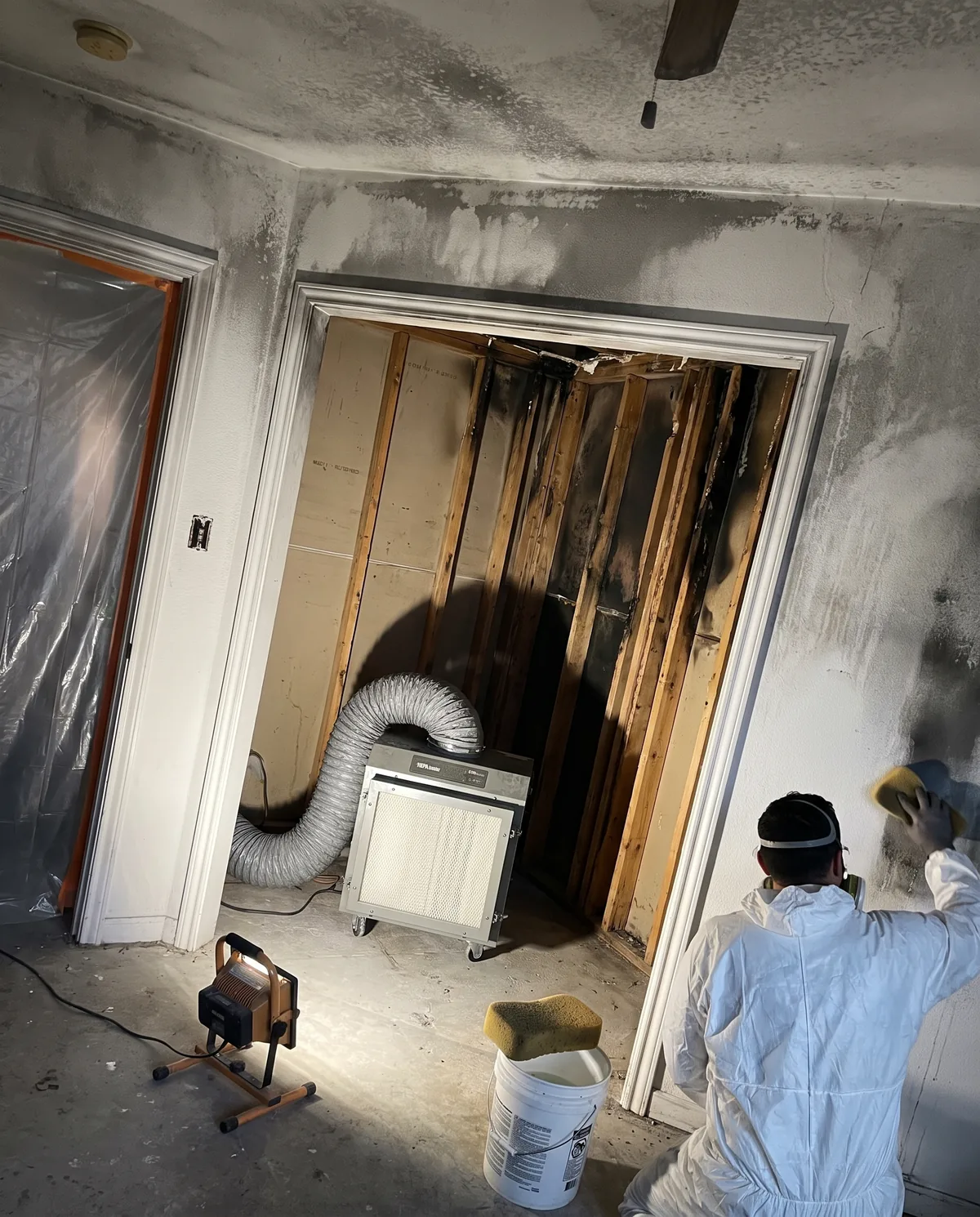
Fire and smoke cleanup with exposed framing and air filtration equipment
Roofing, remodeling and construction. Down South.

What does your project need?

The work after a fire can involve the building, finishes and personal contents. Down South can discuss the restoration request, existing assessments and which parts of the recovery need to be planned or coordinated.

What to discuss before work begins.

01

Building repairs

Identify the areas assessed and the repair or rebuilding work under consideration. Confirm who evaluates structural and other specialist concerns.

02

Smoke and soot

Discuss smoke residue, soot removal and odor concerns as specific parts of the proposed scope.

03

Contents and documents

If documents or belongings were affected, ask about assessment, document restoration options and the limits of any recovery work.

Fire damage restoration in Katy & Houston: where recovery starts

Fire damage restoration in Katy & Houston is rarely limited to the room where the fire started. Heat travels up and out, smoke pushes into every open space, soot settles on surfaces in rooms the flames never reached, and the water used to put the fire out soaks drywall, insulation and floors. A small kitchen fire can leave a whole first floor needing attention.

Down South Roofing is based in Katy and handles repair and rebuilding work for homes and businesses across Houston, Cypress, Fulshear, Richmond and nearby communities. Recovery goes better when it is broken into clear steps, so we start with what we can see, write down what we find, and give you a scope that separates cleaning, removal, structural repair and finishes.

Before anyone goes back inside

Only go back in after the fire department says it is safe. Utilities are often shut off and should be restored by the utility company or a qualified electrician or plumber. Watch for weakened floors and ceilings, and wear a mask and gloves, because soot is fine and irritating.

Photograph every room before anything is cleaned or removed, and contact your insurance company to start your claim. Do not wipe soot off walls, which tends to smear it deeper into paint, and do not run the HVAC system, which can spread soot to clean rooms. If the roof or windows are open to the weather, ask about tarping and boarding up to protect the structure until repairs begin.

Smoke and soot damage repair

Not all soot is the same. Fires that burn wood and paper tend to leave a dry, powdery residue that is easier to clean. Fires involving plastics, synthetic furniture or cooking grease leave an oily, sticky film that smears and needs more work. Soot is also acidic, and over time it can discolor and etch finishes, which is one reason to plan cleanup early.

Smoke follows air, so it moves through return vents, attic spaces, wall cavities and electrical boxes. Surfaces that can be cleaned are cleaned first. Materials that cannot be cleaned well, such as smoke-saturated insulation or heavily stained drywall, are removed. Once cleaning is done, walls and framing are sealed with an odor-blocking primer before new paint goes on.

What can be saved after a house fire?

More than many people expect, but it depends on heat, smoke and water exposure in each area. Brick, stone, tile, metal fixtures and many hard surfaces can often be cleaned. Framing with light surface char may be cleaned and sealed, while deeply charred or weakened members are replaced or reinforced. Drywall, insulation and carpet in heavily affected rooms are usually replaced.

Heat can also damage things that look fine at first, like window seals, vinyl, wiring insulation and appliances. Personal belongings, documents and keepsakes are a separate category, and some may need a contents specialist. No outcome should be assumed before each area is assessed, and we will be direct with you about what we think is worth saving.

Structural repairs after a fire: framing, roof and walls

Fires that reach the attic often damage roof decking and trusses even when the shingles look intact from the street. Load-bearing walls, floor joists and headers over doors and windows need to be checked wherever there was serious heat. Where structural members are in question, an engineer’s evaluation may be part of the plan, and structural work generally requires permits and inspections through the local building department.

Electrical wiring in burned or heat-exposed areas is typically replaced rather than reused, and that work, along with plumbing and HVAC, is done by the appropriate trades. Because Down South also does roofing, we can plan the roof repair or replacement as part of the same rebuild instead of a separate project.

Smoke odor removal: why paint alone does not fix it

Smoke odor lives in porous materials: insulation, drywall paper, carpet pad, ductwork and the wood framing itself. Painting over it only covers the smell for a while, and it usually comes back on hot, humid days. Lasting odor removal means taking out what cannot be cleaned, cleaning what can, and sealing the surfaces that stay.

The HVAC system needs its own attention, since ducts can hold soot and keep moving odor through the house. Depending on the damage, ductwork may be cleaned or replaced. Specialized deodorizing equipment is sometimes used before the walls are closed up, and that step should be listed in the scope so it is not skipped.

Working through the fire damage rebuild step by step

Most rebuilds follow the same sequence. First comes assessment and documentation, then securing the property. Next is removal of damaged materials, followed by cleaning, deodorizing and sealing. Structural repairs come after that, then electrical, plumbing and HVAC rough-in with any required inspections. Insulation and drywall follow, and finally cabinets, flooring, trim, paint and fixtures.

Keeping those steps in order prevents expensive backtracking, like painting a wall that still smells or installing cabinets before the electrical inspection. We walk through each phase with you, flag decisions you will need to make, such as finish selections, and do a final walkthrough together when the work is done.

What affects the cost and timeline of fire damage repair

The main factors are how much of the structure was affected, how far smoke and soot traveled, how much water damage the firefighting left behind, whether the roof and framing need repair, permit and inspection requirements, material lead times, and the finishes you choose. A contained kitchen fire and a whole-house rebuild are very different projects. Inspections are free and scheduled between 8am and 5pm, and every estimate comes in writing before work starts.

A useful estimate for fire repair lists each phase on its own line: removal, cleaning and odor work, structural repair, mechanical work, drywall, and finishes. It should also say what happens if more damage is found once walls are opened, so there are no surprises halfway through.

Prepare for a useful first conversation.

Only enter the property when the appropriate authorities say it is safe. Gather reports and a list of affected areas without exposing yourself to hazards. Ask which tasks Down South will undertake and which require specialist coordination, and obtain that scope in writing. For damaged documents, start with a general description by phone; do not upload private documents through a website inquiry.

Ask about fire and smoke restoration ↗

Fire and smoke damage questions in Katy and Houston

What should I do in the first few days after a house fire?

Wait for the fire department to say the house is safe to enter. Contact your insurance company, photograph every room before anything is cleaned, and secure valuables and important documents. Ask about tarping the roof or boarding windows if the house is open to weather. Avoid wiping soot or running the HVAC system until a cleaning plan is in place.

Can smoke damage be cleaned, or does everything have to be replaced?

Many hard surfaces can be cleaned, including brick, tile, metal and sealed wood. Porous materials such as insulation, carpet pad and heavily stained drywall usually hold smoke and are replaced. The type of soot matters too: dry soot from wood and paper cleans more easily than oily soot from plastics or grease. Each room is judged on its own condition.

How far can smoke and soot travel in a house?

Much farther than the fire itself. Smoke follows airflow, so it moves through return vents, ductwork, the attic, wall cavities and gaps around outlets and light fixtures. It is common to find soot in closets and rooms on the other side of the house. That is why the whole home is checked, not just the burned area.

Why does my house still smell like smoke after cleaning?

Smoke odor soaks into porous materials and hidden spaces that surface cleaning does not reach, such as insulation, the back of drywall, ductwork and framing. Heat and humidity bring the smell back out. Lasting results usually take removing saturated materials, cleaning the HVAC system, sealing remaining surfaces with an odor-blocking primer, and sometimes specialized deodorizing equipment.

Can charred framing be saved?

Sometimes. Studs and joists with light surface char may be cleaned and sealed if they are still sound. Members with deep charring, loss of thickness or signs of weakness are replaced or reinforced. When structural capacity is in question, an engineer’s evaluation may be needed before deciding. Odor sealing is applied to any framing that stays.

Does a house fire always mean a new roof?

No. A fire that stayed in one room may never reach the attic. But fires that do reach the attic can damage decking and trusses even when shingles look fine from the street, and firefighters sometimes vent the roof. The attic and roof structure should be inspected from inside and out before deciding between a repair and a replacement.

How long does it take to rebuild after a house fire?

It depends on the size of the damage. A contained kitchen fire with smoke cleanup may take weeks, while a whole-house rebuild with structural repairs can take months. Permits, inspections, engineering review, material lead times and insurance decisions all affect the schedule. Your written scope will lay out the phases in order so you can see where the time goes.

Should I try to clean soot myself?

It is usually better not to. Wiping soot with a damp cloth or household cleaner often smears it deeper into paint and porous surfaces, making it harder to remove. Soot is also fine and irritating to breathe. Light dusting of a few hard items with proper protection is reasonable, but larger cleanup should follow a plan for each type of surface.

Do I need permits to rebuild after a fire?

Structural, electrical, plumbing and HVAC work generally require permits and inspections through the city or county where the home sits, and requirements vary across Houston-area jurisdictions. Cosmetic repairs may not. Permit timing should be built into the schedule, since inspections need to happen before walls are closed up. Ask how permits will be handled when you review the scope.

How should I document fire damage for my insurance company?

Photograph and video every room, including areas with only smoke or water damage, before anything is cleaned or thrown out. Make a room-by-room list of damaged belongings and keep receipts for temporary housing and other costs. You file and manage your own claim. The team can explain what they find and give you a written scope of the repairs to share if you choose.

Can I change layouts or upgrade finishes during the rebuild?

Often, yes. With walls already open, it can be a practical time to update a kitchen layout, change flooring or improve lighting. Upgrades should be priced and listed separately from the repair work in your estimate, so it is clear which items are restoration and which are your choices. What your policy covers is between you and your insurer.

A clear next step starts here.

Tell us what you need and where. We’ll talk through the project before confirming the work.

Built for the Brave20% off for military & first responders