

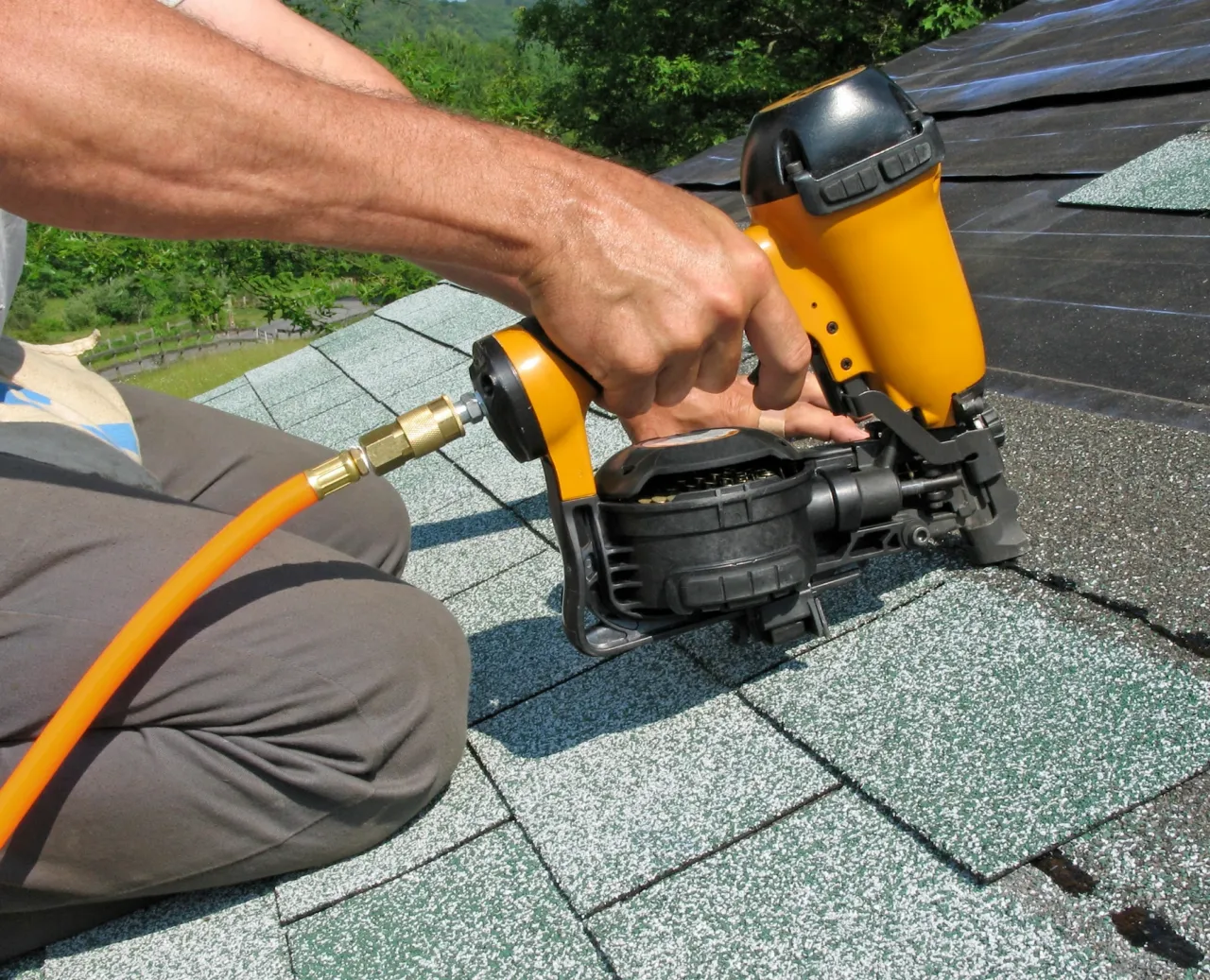
Roof repair in Katy and Houston starts with finding the source
Good roof repair in Katy and Houston, TX is less about patching the spot you can see and more about finding why it failed. A stain on the ceiling, a shingle in the yard or a drip around a light fixture is a symptom. The repair only holds if it addresses the cause, whether that is a cracked pipe boot, a loose piece of flashing or a shingle that has been lifting in the wind for months.
Down South Roofing is based in Katy and works on homes and commercial buildings across Houston, Cypress, Fulshear, Sugar Land and Richmond. Most repair calls start with a free inspection. The team looks at the problem area and the roof around it, explains what they found, and gives you a written scope and estimate before any work starts.
Roof leak repair in Katy: why the stain is rarely under the hole
Water that gets past the shingles usually runs down the underlayment or along a rafter before it finds a place to drip. A stain in the middle of a bedroom ceiling can start several feet uphill. That is why a careful leak repair includes the attic when it can be reached safely, where wet decking, rusted nails and dark trails show the real path.
On Gulf Coast homes, the usual suspects are pipe boots that have cracked in the sun, step flashing where a roof meets a wall, valleys that carry heavy runoff and nails that have backed out. Leaks that show up only during tropical storms often point to wind-driven rain getting under a lifted edge rather than a hole in the roof surface.
Flashing, vent and valley repairs
Most roofs fail at their connections, not across the open field of shingles. Flashing is the metal that seals transitions around chimneys, walls, skylights and roof-to-roof joints. When sealant dries out or a piece was never lapped correctly, water finds the gap. A lasting flashing repair usually means lifting nearby shingles and resetting or replacing the metal, not adding another bead of caulk on top.
Plumbing vents, exhaust fans and attic vents each have their own boot or base, and the rubber collars on many of them break down faster in Texas heat. Valleys carry more water than any other part of the roof, so worn or poorly cut valley shingles show up quickly. These are often focused repairs that do not require touching the rest of the roof.
Shingle repair after wind and hail
Strong gusts can crease a shingle without tearing it off. The crease breaks the seal strip, and the next storm finishes the job. Hail can knock granules loose and bruise the mat underneath, which speeds up wear even if nothing looks missing from the ground. Replacing a handful of damaged shingles is a normal repair when the surrounding roof is still in good shape.
Matching is the honest limitation. Shingle lines change, and older shingles fade in the sun, so a new patch may look slightly different at first. The team can talk through the closest available match and where a small color difference will and will not be noticeable from the street.
What affects roof repair cost in Katy and Houston?
Every roof is different, so the useful question is what drives the number. Pitch and height matter because steep or two-story roofs need more safety setup and time. The material matters, along with whether a match is available. The size of the damaged area, the number of layers already on the roof and whether the decking underneath is soft all change the scope.
Hidden conditions are the other factor. Sometimes opening a repair area shows rotted wood or an older leak that spread. A clear estimate explains how that would be handled and how any added work gets approved by you before it is done, so there are no surprises on the invoice.
Should you repair or replace your roof?
A repair makes sense when the damage is limited to one area and the rest of the roof still lies flat, holds its granules and has life left. Replacement starts to make more sense when leaks keep returning in different places, shingles are curling or brittle across whole slopes, or the cost of repeated repairs is adding up faster than the roof is aging.
Your plans count too. If you expect to sell soon, a sound repair may be enough. If you plan to stay for years, it can be worth comparing both options side by side. The team will show you the condition they see so you can decide, rather than pushing a predetermined answer.
How long does a roof repair take?
Many focused repairs, such as replacing a pipe boot, resealing a small flashing detail or swapping a few shingles, take a few hours once the crew is on site. Larger repairs that involve a valley, a section of decking or a wall flashing run can take longer, especially on steep roofs.
Scheduling depends on weather and on getting matching materials. Wet roofs are not safe to work on, and summer work is often planned for cooler hours because shingles soften in the afternoon heat. If a leak needs to be controlled while you wait, roof tarping is an option the team can discuss.
Documenting roof damage for your records and your insurer
If storm damage might be involved, keep a simple record. Note the date of the storm, take photos of interior stains and anything that fell into the yard, and keep receipts for temporary protection. Take pictures from the ground or a window. There is no need to climb onto the roof to document it.
Contact your insurance company to ask about their process and timelines. The Down South team can explain what they find on the roof, and the written scope and estimate describe the repair work clearly, which is useful to keep with your records. Decisions about coverage are between you and your insurer.