Hail and Storm Damage Roof Repair in Katy & Houston

After hail or high wind, find out what actually changed on the roof before deciding on repair or replacement. Start with a free inspection.

A real person confirms the scope and any visit.

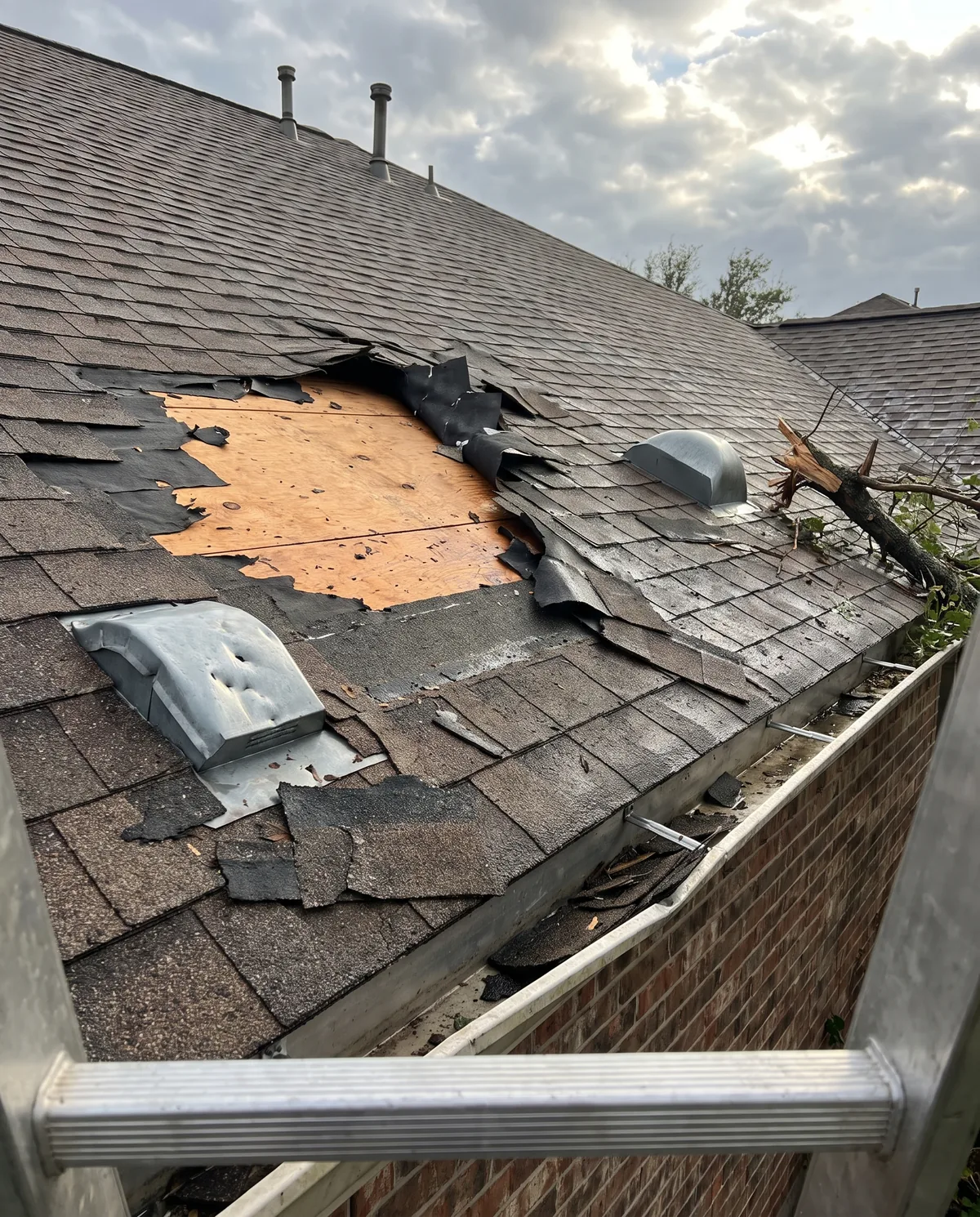
Storm-damaged roof with missing shingles and a fallen branch
Roofing, remodeling and construction. Down South.

What does your project need?

A recent storm is a reason to ask questions, not proof that every roof needs replacement. Down South can discuss an inspection and review the repair or restoration work indicated by the property’s condition.

What to discuss before work begins.

01

Tell us what changed

Share the approximate date, visible concerns and affected areas. Ground-level photos can help explain the request.

02

Review the roof

Discuss findings and whether the proposed work is a focused repair, temporary protection or a larger replacement scope.

03

Coordinate other damage

Mention other property damage or interior concerns so connected work can be discussed rather than overlooked.

Hail and storm damage roof repair in Katy & Houston, TX

Hail and storm damage roof repair in Katy and Houston starts with one honest question: what did this storm actually do to this roof? West Harris County and Fort Bend County see spring hail, summer thunderstorms with strong straight-line winds, and tropical systems coming off the Gulf. Each one leaves a different kind of mark, and some leave none at all.

Down South Roofing is based in Katy and inspects roofs across Houston, Cypress, Fulshear, Sugar Land, Richmond and the surrounding communities. The goal of a storm inspection is not to sell a roof. It is to separate real damage from normal aging so you can make a clear decision about a focused repair, temporary protection or a larger scope.

Signs of hail damage on shingles

On asphalt shingles, hail usually shows up as random dark spots where the granules have been knocked loose, exposing the mat underneath. Some hits feel soft when pressed, like a bruise. Larger stones can crack or fracture shingles, especially older ones that have lost flexibility after years of Texas heat. Dents in metal vents, gutters, downspouts and window screens are useful clues that hail of a meaningful size came through.

Normal wear looks different. Granule loss spread evenly across a slope, curling edges, blistering and cracks that follow a pattern usually come from age and sun, not a single storm. An inspector compares the north, south, east and west slopes, because hail tends to hit the side facing the storm harder. That comparison is what turns a guess into a finding.

Wind damage roof repair: what high wind does to a roof

Wind damage is often easier to see from the ground than hail. Look for missing shingles, tabs folded back or creased, ridge caps lifted, and pieces of shingle in the yard. Wind gets under edges first, so rakes, eaves and ridges are the usual starting points. Once the seal strip on a shingle lets go, the next storm can peel it further even if nothing looks wrong today.

Wind damage roof repair is often a focused job: replacing lost or creased shingles, resealing tabs, resetting ridge cap and checking flashing around chimneys, walls and vents. Fallen limbs are a separate concern because they can bruise decking or puncture the roof. The inspection should tell you whether the damage is limited to a few spots or spread across a slope, because that changes the scope.

What to do after a hailstorm in Katy or Houston

Start from the ground. Walk the property once it is safe, look at the roof from the yard and the street, and check gutters, downspouts, siding, fences, cars and patio furniture for dents or chips. Inside, check ceilings and the tops of exterior walls for new stains. Do not climb onto the roof. Wet or damaged shingles are slippery, and a fall is a far bigger problem than a missing tab.

Then write down the date and approximate time of the storm and take photos of anything you noticed. If there is an opening in the roof, ask about temporary protection so the inside of the home stays dry while the permanent repair is planned. After that, request an inspection so a trained person can look at the roof surface up close.

Documenting storm damage for your insurance claim

The insurance claim belongs to you, the homeowner, so it helps to keep your own records. Save dated photos from the ground, notes on what you saw and when, receipts for any temporary protection, and older photos or paperwork showing the roof before the storm. Contact your insurer directly and ask what they need and what deadlines apply under your policy.

Down South can explain what the inspection found in plain language and give you a written scope and estimate for the repair. What your policy covers is between you and your insurer. A clear description of the actual damage simply makes that conversation easier.

Storm damage: repair or replace the roof?

A repair usually makes sense when damage is limited to a few areas, the rest of the roof is in fair shape, and matching materials are still available. Replacement becomes the stronger option when damage is spread across several slopes, the decking is affected, or the roof was already near the end of its life before the storm.

Age matters in the Houston climate. Years of heat, UV and humidity make shingles brittle, so a storm that a newer roof shrugs off can do real harm to an older one. Ask to see photos of each slope and a written scope that explains why the recommendation is a repair or a replacement.

Hurricane season roof prep for Gulf Coast homes

Atlantic hurricane season runs from June through November, and the Houston area does not need a direct hit to see damaging wind and long rain bands. The best time to check a roof is before the season gets busy. Look for loose or missing shingles, lifted ridge cap, cracked pipe boots, rusted or gapped flashing, and gutters packed with debris that can back water under the roof edge.

Trim branches that hang over the roof, secure anything in the yard that could become a projectile, and keep a few clear photos of each roof slope on your phone. Those photos give you a baseline to compare against after a storm, from Katy and Fulshear out to Baytown and Beaumont.

Storm chasers and how to choose a local roofing contractor

After a big hail event, crews from out of the area often knock on doors with offers that sound easy. Some do fine work, but it can be hard to reach them once they move on to the next storm. Be cautious of anyone who pushes you to sign on the spot, asks you to hand over decisions about your claim, or describes damage you cannot see in their photos.

A local contractor should give you a written scope and estimate, show you photos of what they found, explain repair versus replacement in plain terms, and be easy to reach after the job. With Down South, a real person confirms every request and nothing is booked until the team confirms it with you.

Prepare for a useful first conversation.

Do not climb onto a damaged roof to collect evidence. Save any prior roof records and ask what documentation the team can provide. If you plan to contact an insurer, ask them what they need; this website does not establish coverage or promise claim approval.

Ask about storm, wind and hail repairs ↗

Hail and storm damage questions in Katy and Houston

How can I tell if my roof has hail damage from the ground?

Look for dents in gutters, downspouts, metal vents and window screens, and for chips on siding or fences. Heavy granules collecting at the bottom of downspouts can also be a clue. These signs suggest hail of a meaningful size came through, but shingle damage itself is usually only visible up close. A free inspection confirms whether the roof surface was actually affected.

Does hail always mean I need a new roof?

No. Many storms leave little or no damage, and some leave damage on only one or two slopes that can be repaired. Replacement makes sense when damage is widespread or the roof was already near the end of its life. The inspection should show you the evidence for either answer so the decision is based on the roof, not the storm headline.

What does wind damage on a shingle roof look like?

Missing shingles, tabs that are folded back or creased across the middle, lifted ridge caps and exposed nail lines are the common signs. Pieces of shingle in the yard after a storm are a strong clue. A creased shingle may still be in place but has lost its seal, so it is more likely to blow off in the next storm.

What should I do first after a hailstorm?

Make sure everyone is safe, then check the property from the ground. Note the date and time of the storm, photograph any visible damage outside and any new stains inside, and keep the photos together. Do not go up on the roof. If there is an opening, ask about temporary protection, then request an inspection to see what the storm actually did.

How do I document roof damage for my insurance company?

Keep dated photos taken safely from the ground, notes on the storm date and what you noticed, receipts for any temporary protection, and any older photos or records of the roof. Ask your insurer exactly what they need. You file and manage the claim yourself. Down South can explain its inspection findings and give you a written scope and estimate for the work.

Will Down South handle my insurance claim?

No. The claim is between you and your insurer, and only they can decide what your policy covers. What the team can do is inspect the roof, explain what they found in plain terms, and provide a written scope and estimate for the repair. Those details can help you have a clearer conversation with your insurance company.

How much does hail damage roof repair cost in Katy?

It depends on how many slopes are affected, the roofing material, the roof’s pitch and height, whether decking or flashing needs work, and whether matching shingles are still available. A few replaced shingles and a full slope are very different jobs. The written estimate you receive after the inspection explains what is included so you can compare it clearly.

Can hail damage cause leaks later on?

It can. A bruised shingle may not leak right away, but the exposed mat breaks down faster in sun and heat, and cracks can open further over time. That is why some hail damage only shows up as a leak months later. Checking the roof soon after a storm gives you a clear record of its condition at that point.

How do I prepare my roof for hurricane season in Houston?

Before June, have loose shingles, lifted ridge caps, cracked pipe boots and gapped flashing addressed. Clean gutters so water drains away from the roof edge, trim overhanging branches, and take photos of each slope as a baseline. Secure yard items that could be thrown by wind. Small repairs done early are usually simpler than fixing what a storm finds.

How can I spot a storm chaser?

Common signs include pressure to sign on the spot, out-of-area contact details, vague estimates without a written scope, requests to let them decide things about your insurance claim, and photos of damage you cannot connect to your own roof. Take your time, ask for everything in writing, and choose a contractor you can easily reach after the work is done.

When can I schedule a storm damage roof inspection?

Calls are answered 24/7 at (832) 530-0402, by call or text, and inspections are scheduled between 8am and 5pm. A real person confirms every request, and nothing is booked until the team confirms the time with you. For Spanish, call JR Rivas at (832) 528-3994. Military and first responders can ask about 20% off with verification.

A clear next step starts here.

Tell us what you need and where. We’ll talk through the project before confirming the work.

Built for the Brave20% off for military & first responders