Roof Tarping in Katy & Houston: Temporary Protection, Planned Repair

A well-secured tarp keeps weather out of the home while the permanent repair is inspected, scoped and scheduled.

A real person confirms the scope and any visit.

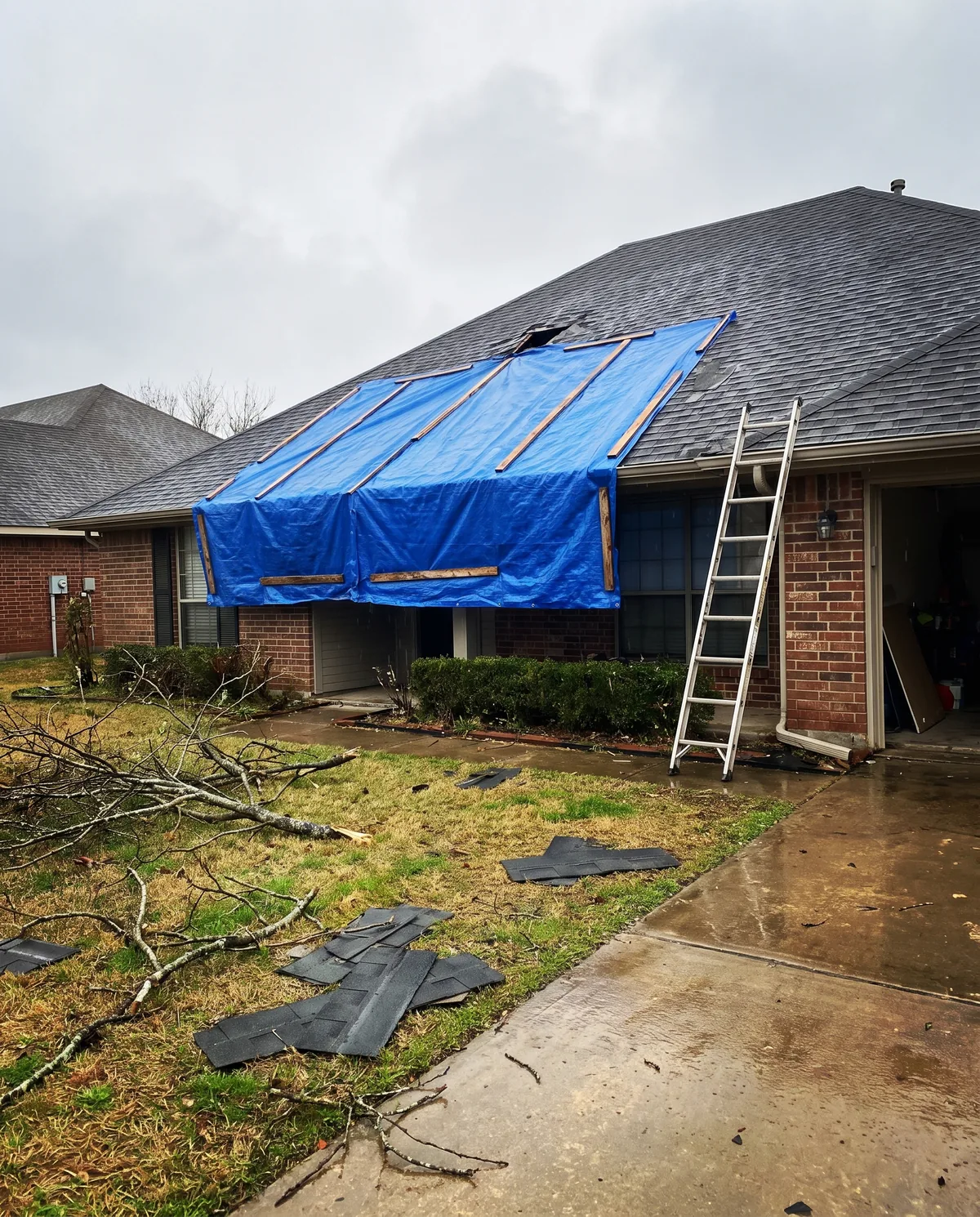
Blue tarp secured over a damaged section of a shingle roof after a storm
Roofing, remodeling and construction. Down South.

What does your project need?

After a storm, a fallen limb or wind damage, the first job is often to cover the damaged area so more weather does not get in. Down South installs roof tarps as temporary protection and then talks through what the permanent repair needs. A tarp is a short-term measure, not a fix, so the next step is always an inspection and a clear scope.

What to discuss before work begins.

01

Stay safe first

Do not climb onto a damaged or wet roof. Note what you can see from the ground and share photos taken safely.

02

Cover the damage

A tarp needs to extend past the damaged area and be secured so wind cannot lift it. Ask how it will be attached and how long it is meant to stay.

03

Document for your records

Photos of the damage before and after tarping help you and your insurer understand what happened.

04

Plan the permanent repair

Once the roof is covered, the team inspects it and discusses repair or replacement based on its condition.

What roof tarping in Katy & Houston is for

Roof tarping in Katy and Houston is a temporary step with one job: keep rain off the damaged part of the roof so the inside of the home stays dry while the real repair is planned. It is common after a fallen limb, wind that strips shingles from a section of roof, or a storm that opens a gap at the ridge or along a valley.

A tarp is not a repair and should not be treated as one. It buys time to inspect the roof properly, put together a written scope and estimate, and schedule the permanent work. Down South Roofing is based in Katy and installs tarps as temporary protection on homes across Houston, Cypress, Fulshear, Sugar Land and nearby communities, then talks through what the roof actually needs.

Safe steps homeowners can take without going on the roof

The most useful things you can do happen inside and on the ground. Move furniture, electronics and rugs away from any drip. Put a bucket or tote under the spot and lay towels around it. If a ceiling is bulging with water, keep people out of the room underneath. Shut off power to a room if water is near light fixtures or outlets and you can reach the breaker safely.

Outside, look at the roof from the yard or the street and take photos. Do not climb a ladder onto a wet or damaged roof, and do not try to pull a limb off yourself. Branches can shift, decking can be weaker than it looks, and Texas roofs are slick after rain. Professional tarping exists so you do not have to take that risk.

When a temporary roof repair after a storm makes sense

Tarping makes sense when there is an opening or exposed decking and the permanent repair cannot be done right away, either because materials need to be ordered, the roof needs a full inspection first, or more rain is in the forecast. It also helps when a limb or debris has punctured the roof and the area needs to be cleared and covered before anyone can see the full extent of the damage.

It may not be needed for a few missing shingles on a roof that is otherwise sound, especially if the underlayment is intact and a repair can be scheduled soon. When you call, describe what you can see from the ground and share photos so the team can talk through whether a tarp, a direct repair or an inspection is the right first step.

How a roof tarp is installed so it stays put

A good tarp job starts with clearing loose debris and checking whether the area is safe to walk. The tarp needs to be large enough to extend well past the damaged area, ideally up and over the ridge so water runs off on top of it rather than under it. Edges are fastened with wood strips or another method that spreads the load, because a tarp held only at a few points will flap and tear in Gulf Coast wind.

Ask how the tarp will be attached, how many fasteners will go into the roof, and how those spots will be handled during the permanent repair. Those details are part of a clear scope, even for temporary work.

How long does a roof tarp last?

There is no single number. A tarp’s life depends on the material, how it was secured, the slope it sits on, and the weather it faces. Houston summer sun breaks down plastic over time, and thunderstorms and tropical systems put repeated strain on the edges. A tarp that looks fine after a calm week can loosen after one windy afternoon.

Treat every tarp as short-term. Check it from the ground after each storm, look for flapping corners or pooled water, and plan the permanent repair as soon as the roof has been inspected. The longer a tarp stays on, the more chances water has to find its way underneath.

Tarp vs. permanent roof repair

The tarp keeps weather out. The permanent repair fixes the cause. That might mean replacing damaged decking, installing new underlayment and shingles, rebuilding flashing, or, if damage is widespread or the roof was already worn, discussing replacement. The inspection after tarping is what decides between those options.

Expect two separate scopes: one for the temporary protection and one for the repair. Keeping them separate makes the paperwork clearer for you and for your insurer, and it means the permanent work is planned on its own merits rather than rushed.

Preventing interior damage after the roof is covered

Once the roof is covered, turn your attention to drying out. Wet drywall, insulation and carpet pad hold moisture, and Houston humidity slows drying. Run fans and air conditioning, open closet and cabinet doors near the affected area, and pull back wet rugs. Keep an eye on ceiling stains; if they keep growing after the tarp is on, mention it so the team can check the coverage.

If water reached insulation, flooring or walls, ask about the interior side too. Down South also handles water restoration and remodeling, so connected work can be discussed together instead of in pieces.

Keeping records while the tarp is on

Take photos of the damage from the ground before the tarp goes on, and again after. Photograph interior stains and anything you moved or threw away. Keep receipts for the tarping and for any drying equipment. If you plan to contact your insurer, ask them what they expect after storm damage; you manage the claim, and clear records make that easier.

Write down the date the damage happened and the date the tarp went on. If the tarp is adjusted or replaced later, note that too. A simple timeline helps you, your insurer and the repair crew understand how the roof was protected between the storm and the permanent repair.

Prepare for a useful first conversation.

Tell the team what happened, where the damage is and whether water has reached the inside of the home. Share photos if you can take them safely. Ask your insurer about any steps your policy expects after storm damage.

Ask about roof tarping and protection ↗

Roof tarping questions in Katy and Houston

How long can a roof tarp stay on?

A tarp is meant to be temporary. How long it holds depends on the material, how well it was secured, and the sun, wind and rain it faces. Houston heat and summer storms wear tarps down faster than many people expect. Plan the permanent repair as soon as the roof has been inspected rather than waiting to see how long the tarp lasts.

Is a roof tarp the same as a repair?

No. A tarp only keeps weather out for now. The damaged shingles, decking, underlayment or flashing are still damaged underneath it. The permanent repair replaces or rebuilds those materials, and in some cases the inspection shows that a larger repair or replacement makes more sense. Think of the tarp as a cover while the real work is scoped.

Should I put a tarp on my roof myself?

It is safer not to. Damaged roofs can have weak decking, loose debris and wet, slick surfaces, and a ladder on soft ground after rain is risky. Focus on what you can do from inside and on the ground: move belongings, catch drips and take photos. Let a roofing crew with the right equipment handle the work on top of the house.

What can I do inside while I wait for a tarp?

Move furniture and electronics away from drips, catch water in buckets or totes, and lay towels down. Keep people out of rooms where a ceiling is bulging. If water is near light fixtures or outlets, shut off that circuit at the breaker if you can do so safely. Take photos of everything before you clean up so you have a record.

What happens if a tree limb falls on my roof?

Keep everyone out of the rooms under the impact area and do not try to remove the limb yourself. Large branches can shift and the decking under them may be broken. Take photos from a safe distance. The limb usually needs to come off before the roof can be tarped, and then the area is inspected to see how far the damage goes.

How is a roof tarp secured against wind?

The tarp should extend well beyond the damaged area and, where possible, over the ridge so water runs across the top of it. Edges are usually fastened with wood strips or a similar method that spreads the hold along the whole edge instead of a few points. Ask how it will be attached and how fastener spots will be handled during the permanent repair.

What affects the cost of roof tarping?

The size of the damaged area, the roof’s pitch and height, how hard it is to reach, whether debris or a limb needs to be cleared first, and the materials used to secure the tarp all play a part. A steep two-story roof takes more setup than a low single-story slope. You get a written scope and estimate before work starts.

Will a tarp stop all leaks?

A well-installed tarp should stop water from entering through the area it covers, but it cannot fix water already trapped in insulation or drywall, and it may not cover a separate problem somewhere else on the roof. If you see new drips or growing stains after tarping, let the team know so they can check the coverage and look for another source.

Should I contact my insurance company about the tarp?

If you plan to file a claim, ask your insurer what steps they expect after storm damage and what records they want. Many policies expect homeowners to take reasonable steps to limit further damage. Keep photos from before and after the tarp, plus the receipt. You handle the claim yourself; the team can explain what they found and what they did.

Can you inspect and repair the roof after it is tarped?

Yes. Once the roof is covered and safe to work on, the team inspects the damaged area and the rest of the roof, then gives you a written scope and estimate for the permanent repair or replacement. Down South also handles interior repairs, water restoration and remodeling if the damage reached inside the home, so the whole job can be planned together.

How do I request roof tarping in Katy or Houston?

Call or text (832) 530-0402; calls are answered 24/7. Share your address, what happened and photos taken safely from the ground. A real person confirms every request, and nothing is booked until the team confirms it with you. Inspections are scheduled between 8am and 5pm. For Spanish, call JR Rivas at (832) 528-3994.

A clear next step starts here.

Tell us what you need and where. We’ll talk through the project before confirming the work.

Built for the Brave20% off for military & first responders